In this guide
THE SHORT ANSWER
The essentials.
Reliable equipment starts with a compatible setup and regular care. Check hose connections, reel operation, water quality and wear before problems interrupt a round. Choose upgrades around a specific bottleneck in your current working day.
GUIDE / 01
Find the delay before buying an upgrade
Look at a normal working day and identify where time is lost. Is it filling, carrying equipment, laying out hose, rinsing or packing away? An upgrade is useful when it addresses that specific problem.
Record a few jobs before changing the setup. Comparing the same tasks afterwards gives you a more useful result than assuming new equipment will automatically increase daily earnings.
GUIDE / 02
Check the water delivery path
- Confirm sufficient water in the tank and the expected final water quality.
- Inspect hoses, fittings and the reel swivel for leakage or restriction.
- Check the pump and controller against their operating instructions.
- Inspect the brush jets and pole hose for contamination or damage.
Change one thing at a time when investigating a fault. A blocked outlet, damaged connection and low power supply can produce similar symptoms but need different remedies. Do not increase pressure to compensate for an unidentified restriction.
GUIDE / 03
Improve hose handling and access
Position equipment so that controls and service points are reachable. Avoid a hose route that repeatedly drags across sharp edges or catches on stored tools. Check the winding direction and the space around the reel handle or control.
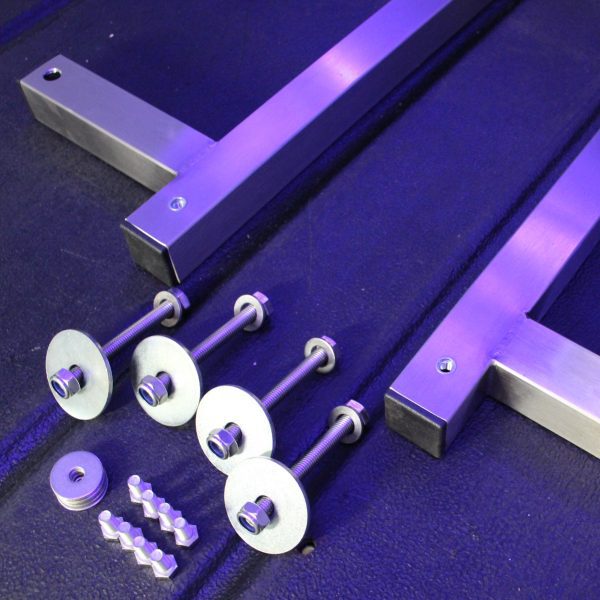
A suitable hose guide, reel arrangement or stacker can help organise the space. Confirm compatibility and mounting requirements first. Water-fed pole equipment must not be treated as pressure-washing equipment simply because both use hose reels.
GUIDE / 04
Maintain what is already working
Routine | Useful checks |
|---|---|
Before work | Visible damage, leaks, water quality and secure connections |
During pack-down | Hose wear, brush contamination and unusual reel behaviour |
Scheduled servicing | Filters, resin, membrane care and electrical checks specified by the manufacturer |
Before cold weather | Storage and frost-protection arrangements for the whole system |
Use only the cleaning products and lubricants recommended for the component. General advice to lubricate every moving part can be inappropriate for some materials and mechanisms.
GUIDE / 05
Keep a simple service record
Record the fault, relevant readings, part number and repair date. Keep photographs of your installed layout and the equipment model details. This makes it easier to order the correct spare or explain a recurring issue to support.
When an upgrade is justified, compare its cost, installation needs and maintenance with the problem it solves. Start with compatible accessories or replacement spares for the equipment you own.
YOUR QUESTIONS, ANSWERED
Questions and answers
Will an electric reel fix poor water flow?
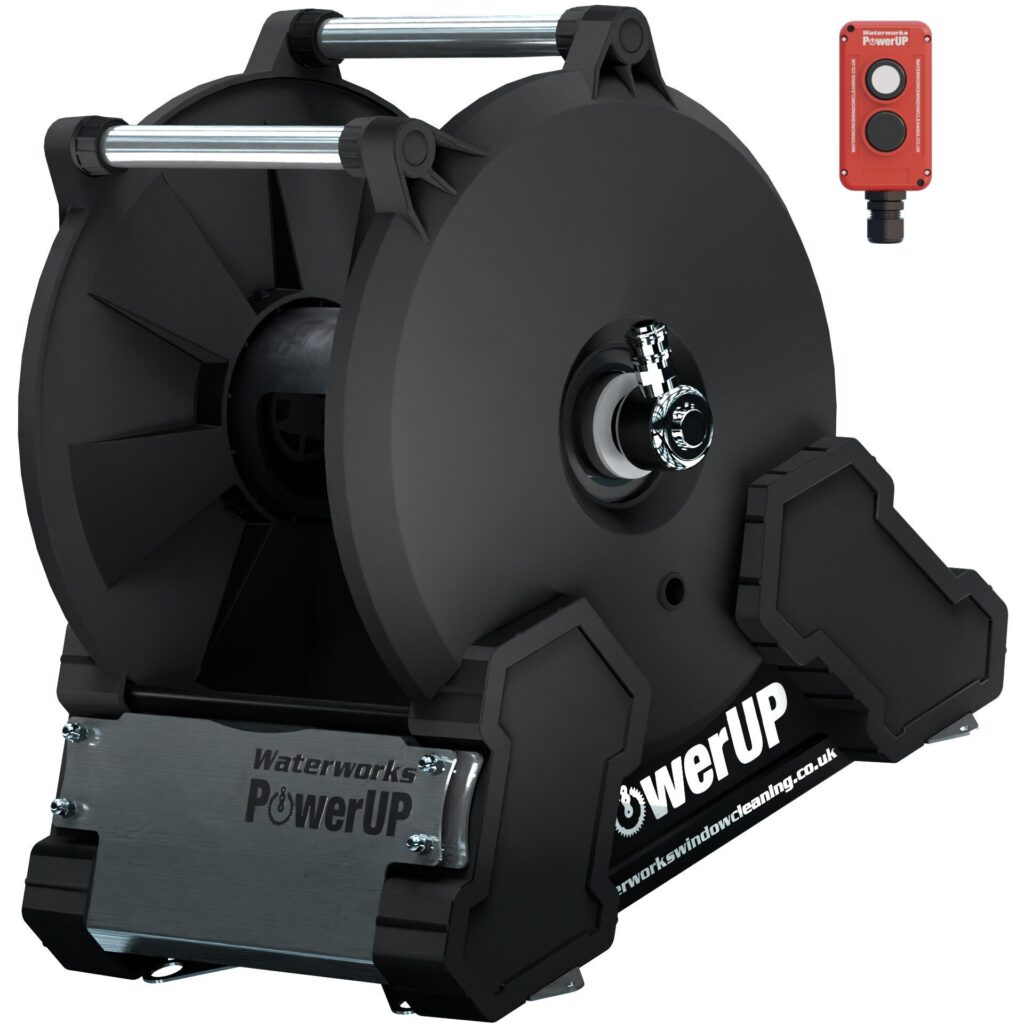
Not by itself. Powered retrieval and water delivery are different functions; investigate the flow path and operating conditions.
Should I replace all the equipment at once?
Only if the assessment supports it. Repairing or changing a specific incompatible or worn component may be enough.
What information helps technical support?
Provide the model, configuration, symptoms, readings, photographs and what changed before the fault appeared.
PUT THE ADVICE TO WORK
Make the right choice for your setup.
Compare the current options and specifications, then talk to the Waterworks team if you need help matching equipment to your round.
Explore the equipment →FROM THE WATERWORKS TEAM
Practical equipment guides from Waterworks in Corby. For advice about your own configuration, contact the team.
YOUR NEXT READ
Keep building your knowledge.
KEEP READING
Manual vs electric hose reels: which suits your round?
Read the guide →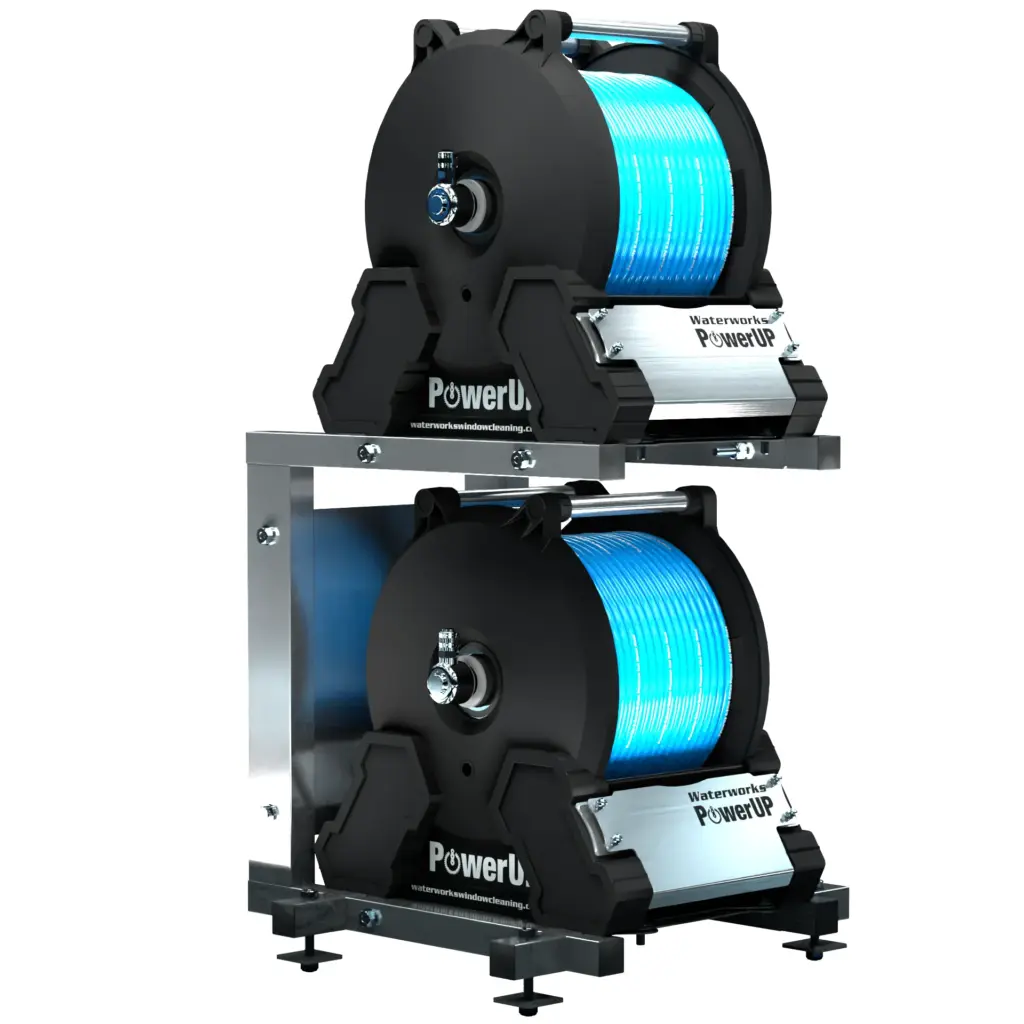
KEEP READING
Five mistakes to avoid when buying window cleaning equipment
Read the guide →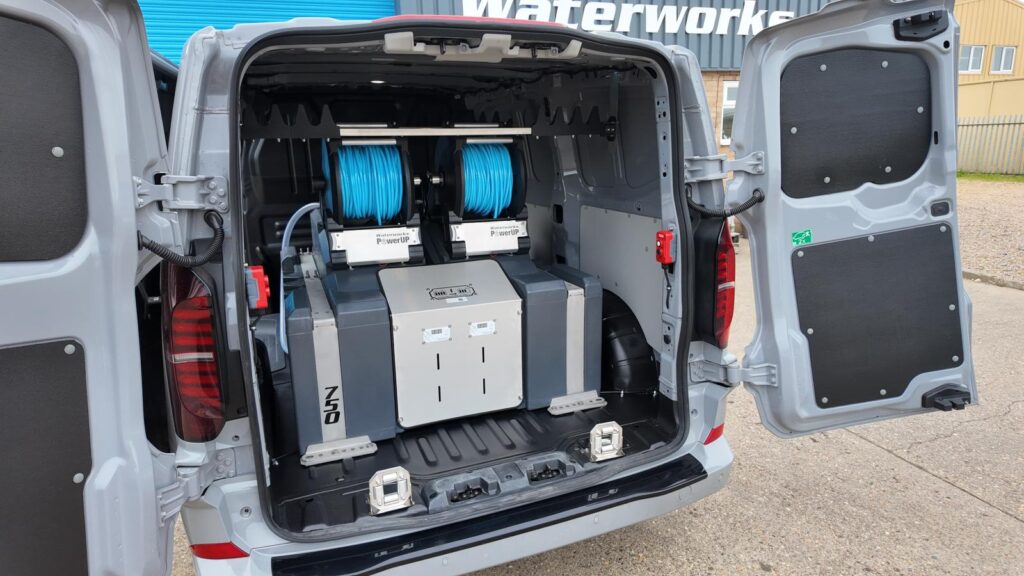
KEEP READING